
The Role of Ergonomics in Storage Design
When it comes to creating efficient storage solutions, one often overlooked aspect is ergonomics. Understanding how to design storage spaces that are comfortable and accessible can significantly improve productivity and user satisfaction. This article delves into the principles of ergonomic design in storage systems, highlighting its importance and practical applications.
Understanding Ergonomics in Storage Solutions
Ergonomics refers to the science of designing the workspace and tools to fit the user’s needs, enhancing their comfort and performance. According to research published in the Journal of Occupational Health Psychology, environments that prioritize ergonomic principles can increase productivity by 20-30% in similar contexts. This is particularly crucial in storage design, where improper organization and layout can lead to strain and inefficiencies.
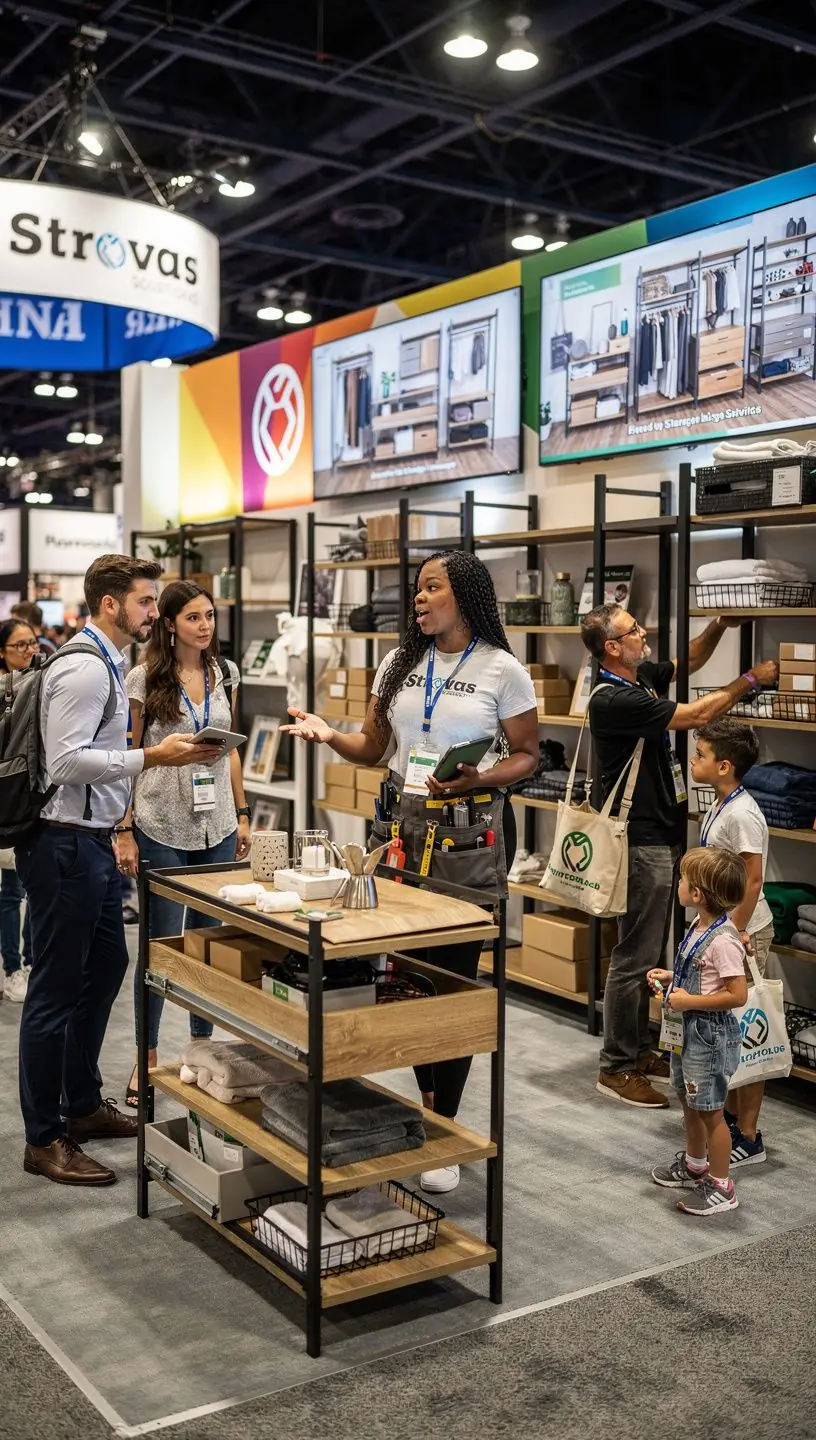
"Effective ergonomic design not only improves comfort but can also enhance overall productivity in the workplace."
Key Principles of Ergonomic Storage Design
When designing storage solutions, consider the following ergonomic principles:
- Accessibility: Storage should be within easy reach to minimize stretching or bending. Research indicates that items stored at waist height are typically the most accessible.
- Organization: Implement a logical organization system, allowing users to find items quickly. Experts recommend grouping similar items together as this can reduce time spent searching.
- Adjustability: Design storage solutions that can adapt to different users' needs. For example, adjustable shelving can accommodate various item sizes and make it easier for users of different heights.
Practical Applications of Ergonomics in Storage Design
Implementing ergonomic principles in storage design involves a careful, step-by-step approach:
- Assess the Space: Begin by evaluating the area where the storage solution will be implemented. Identify the most frequently accessed items and their ideal storage locations.
- Consult with Users: Engage with the end users to understand their needs and pain points. Prioritizing their feedback can help to create a more effective storage system.
- Prototype Design: Create a prototype or mockup of the storage solution to test its functionality. This step often involves iterative adjustments to improve ergonomics based on user feedback.
Conclusion
Incorporating ergonomic principles into storage design is not just about aesthetics; it is about enhancing functionality and user experience. While the process may require additional time and effort, the potential benefits in terms of productivity and user satisfaction are significant. By prioritizing ergonomic practices, businesses can create workspaces that truly support their users.
For those interested in exploring ergonomic storage solutions tailored to their specific needs, consider participating in our workshops. We offer custom shelving design, installation services, and offline consultations to ensure your storage spaces are both efficient and user-friendly.
Learn More