Exploring Sustainable Practices in Storage Solutions
As the demand for effective storage solutions increases, so does the need for sustainability. This article explores how sustainable practices can be integrated into storage solutions, particularly through custom shelving design and installation services.
Understanding the Basics of Sustainable Storage Solutions
Sustainable storage solutions focus on minimizing environmental impact while maximizing utility. According to industry research, implementing eco-friendly materials and practices can reduce waste and enhance durability. Experts recommend a holistic approach that considers design, functionality, and material sourcing.
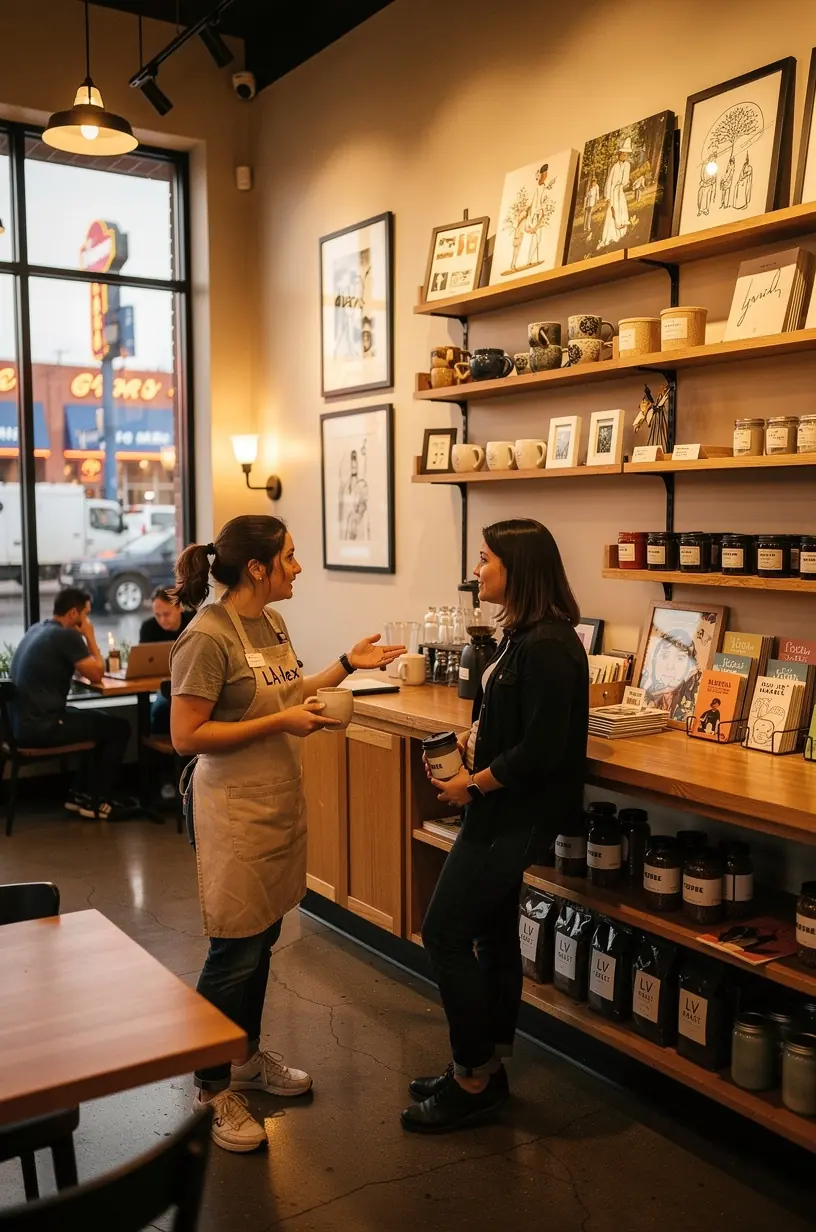
"Sustainability in storage solutions is not just a trend; it's a necessary shift towards responsible consumption." - Sustainability Expert
The Importance of Materials
Choosing materials wisely is critical in creating a sustainable storage solution. Many users report that opting for reclaimed wood or recycled materials can significantly lower their carbon footprint. In most cases, these materials provide the same level of strength and durability as new materials, while also contributing to waste reduction.
Common Sustainable Materials
- Reclaimed Wood: Often sourced from old buildings, it adds character and uniqueness to storage solutions.
- Recycled Metal: Use of aluminum or steel reduces the need for new mining and processing, which is energy-intensive.
- Bamboo: This rapidly renewable resource is gaining popularity for its strength and sustainability.
Designing for Efficiency
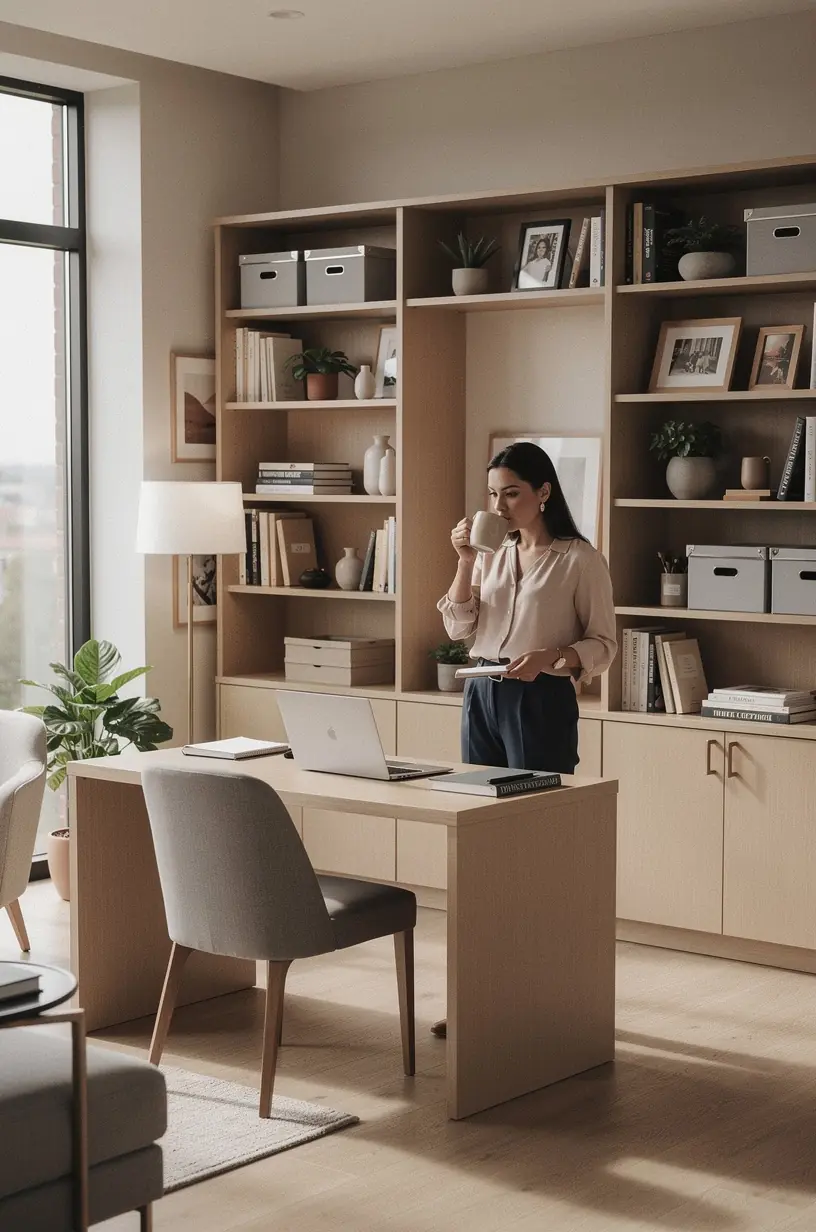
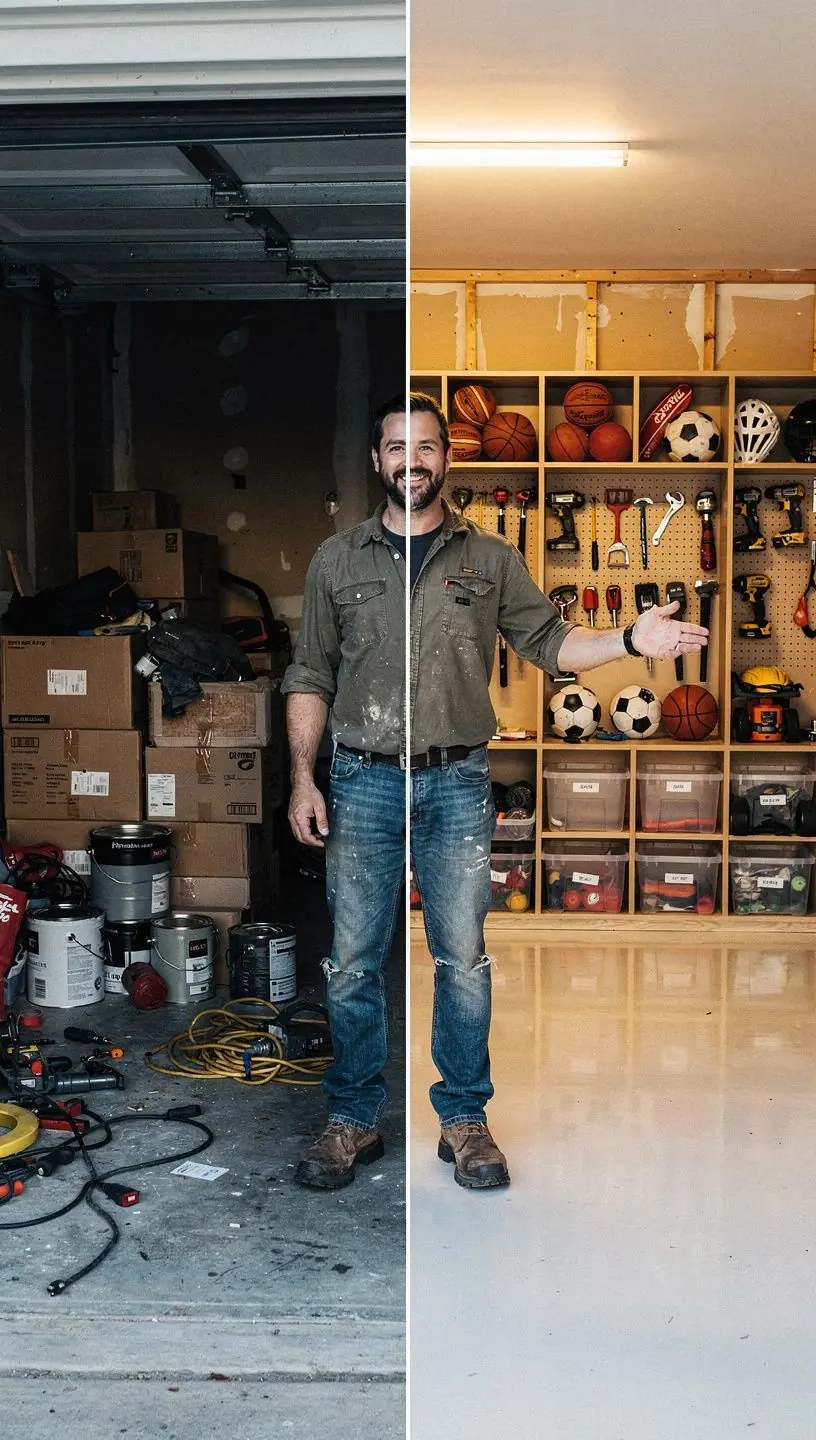
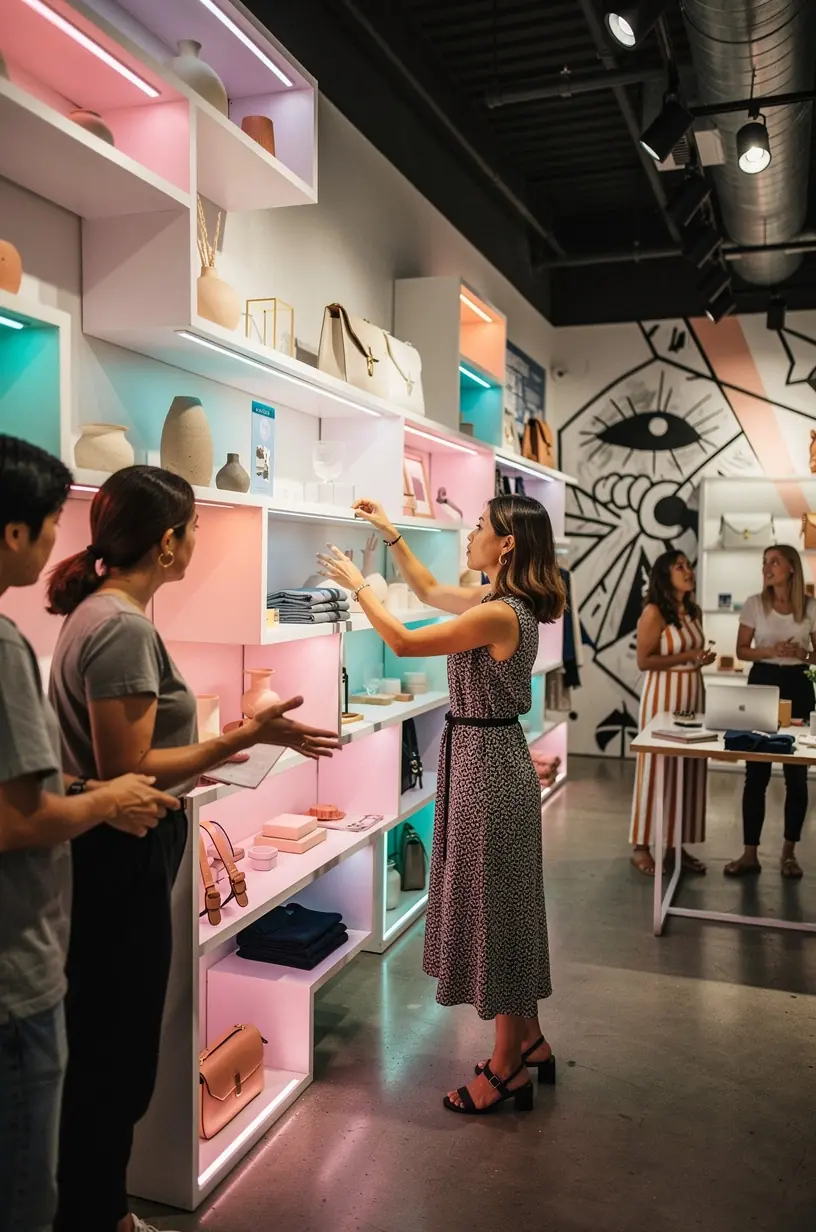
Storage solutions should not only be aesthetically pleasing but also efficient. Research indicates that well-designed spaces can improve organization and productivity. Typically, custom shelving systems are tailored to fit specific needs, maximizing available space and encouraging proper organization.
Steps to Creating Sustainable Storage Solutions
- Initial Consultation: Understand the specific storage needs and space constraints. This typically requires a consultation period of one to two weeks.
- Material Selection: Choose materials that align with sustainability goals, while also considering durability and design.
- Installation: Professional installation ensures that all components are secure, functional, and aesthetically pleasing.
Challenges and Limitations
While sustainable practices offer numerous benefits, they may require additional time and effort. For instance, sourcing sustainable materials can take longer than traditional options. Furthermore, custom designs often involve a learning curve and may necessitate ongoing maintenance to ensure longevity.
Conclusion: Meeting Expectations
Integrating sustainability into storage solutions not only helps the environment but can also enhance functionality and aesthetics. While the process may take more time and effort, the end result is typically worth it. By focusing on responsible material selection and efficient design, users can create storage solutions that are both beautiful and sustainable.